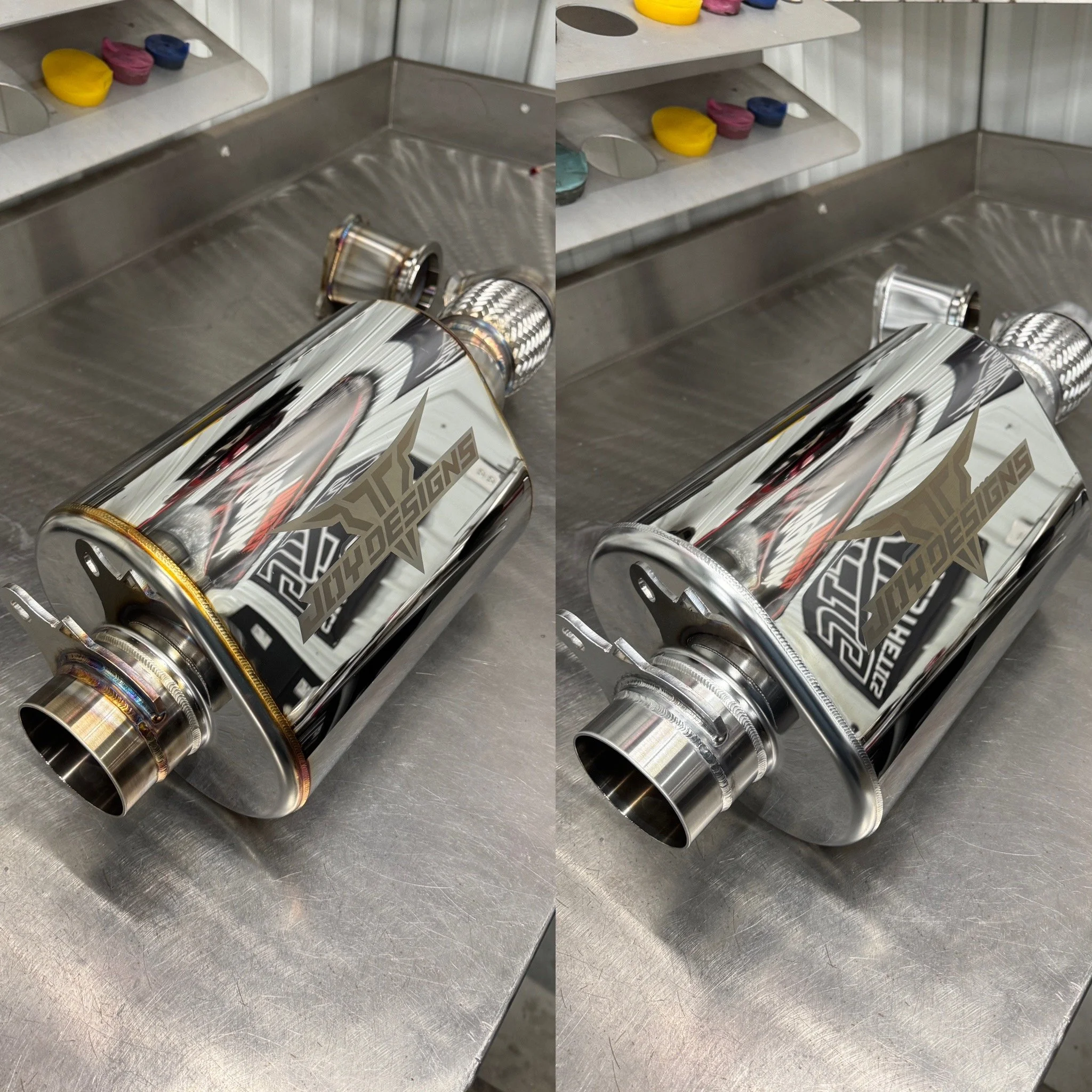
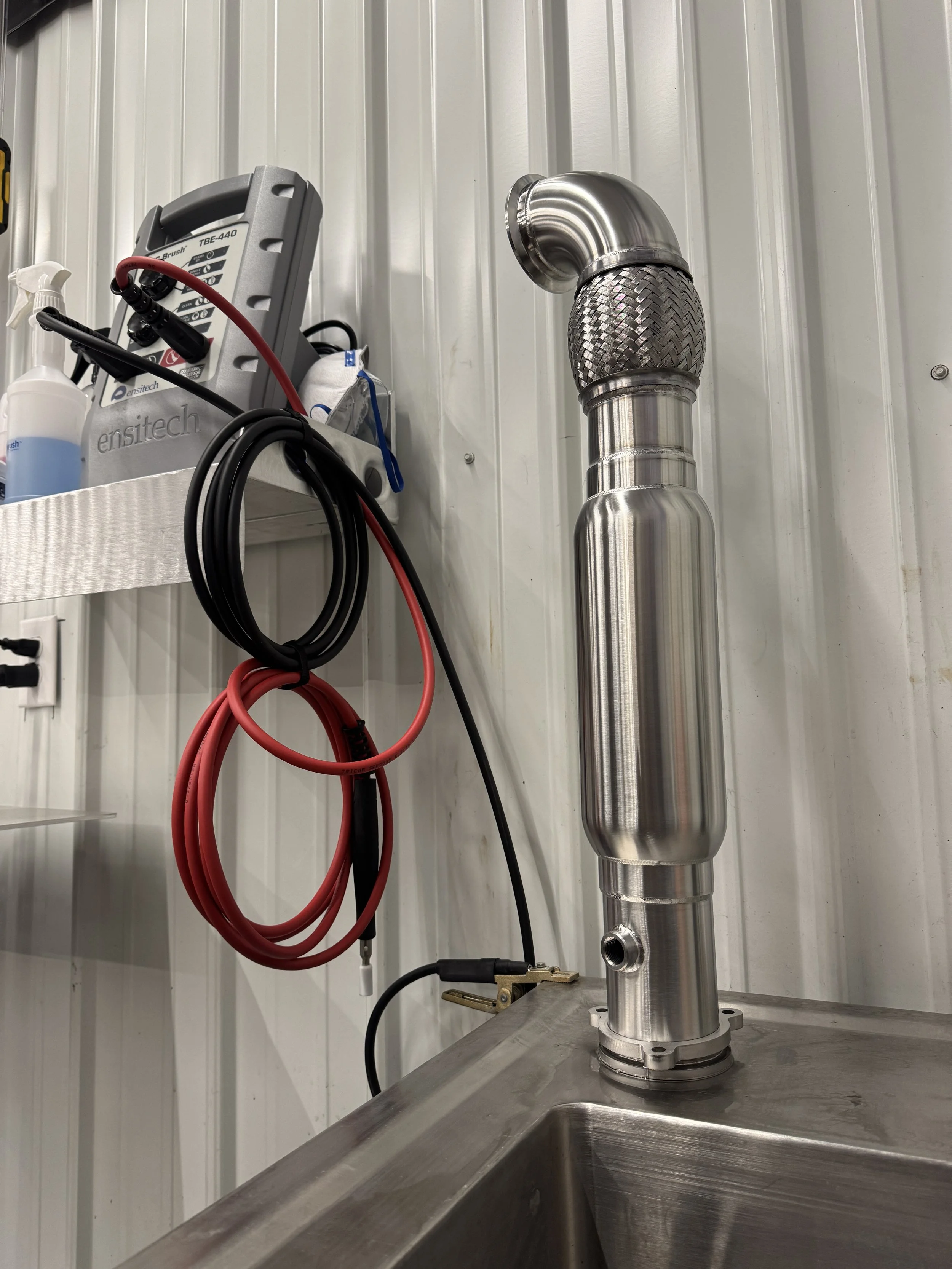
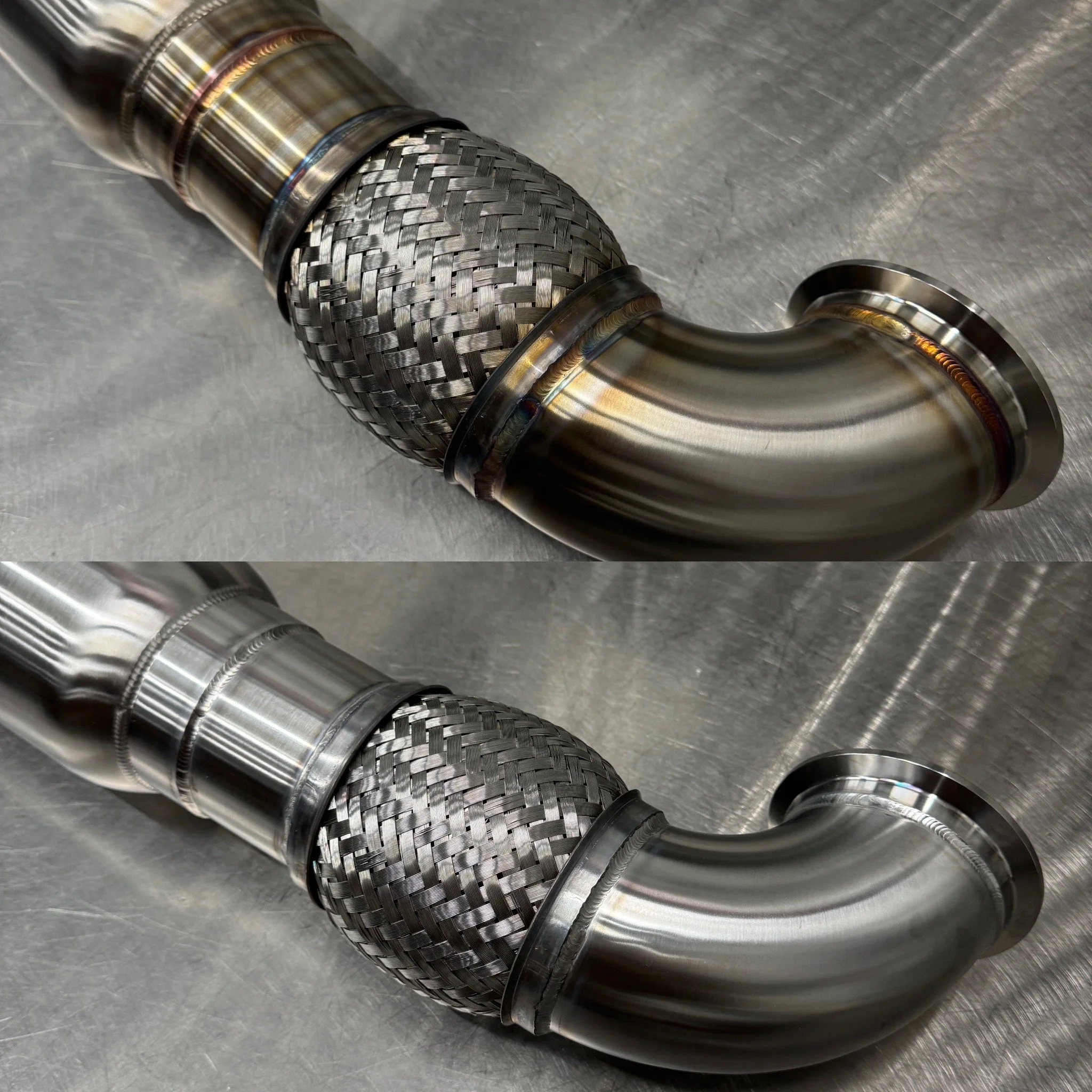
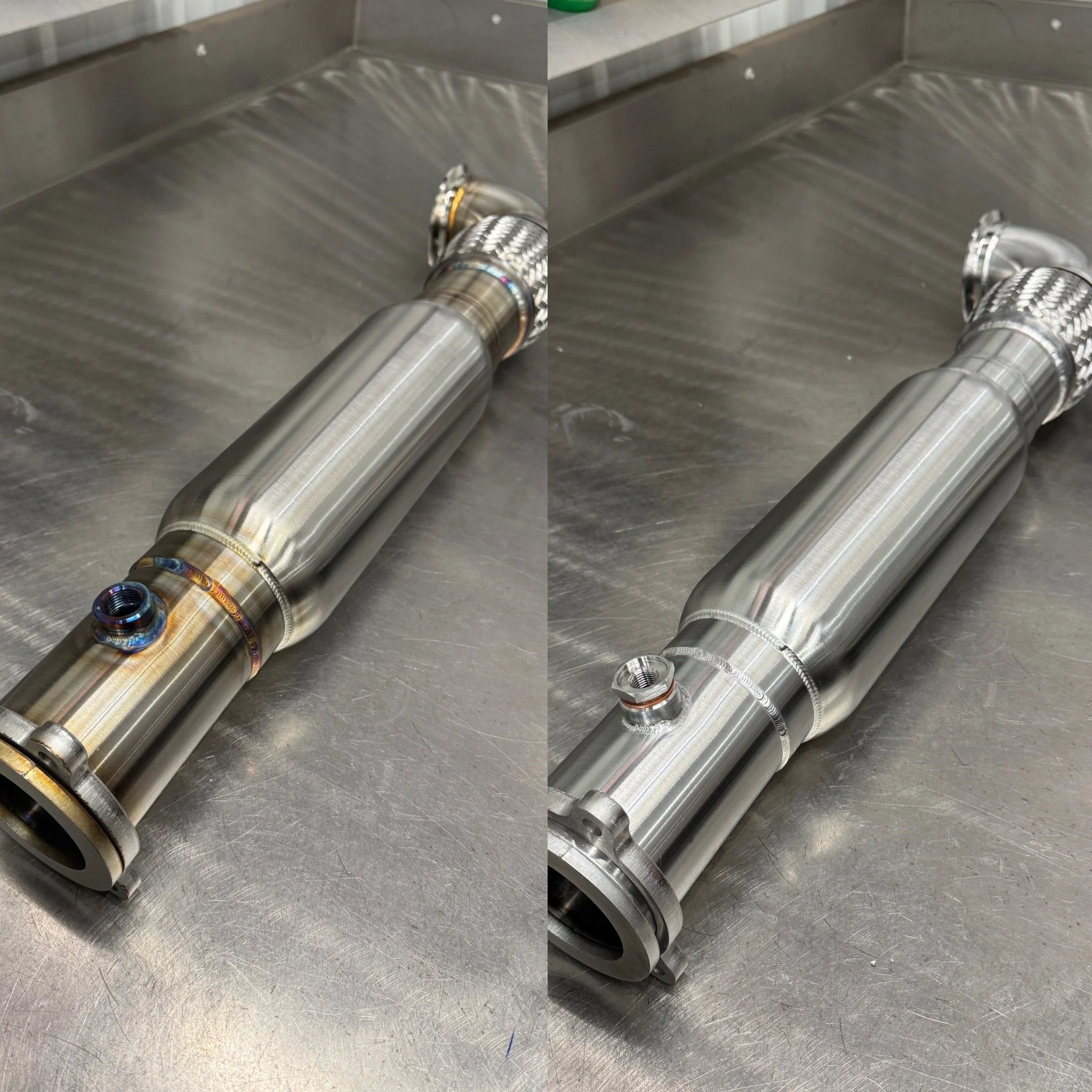
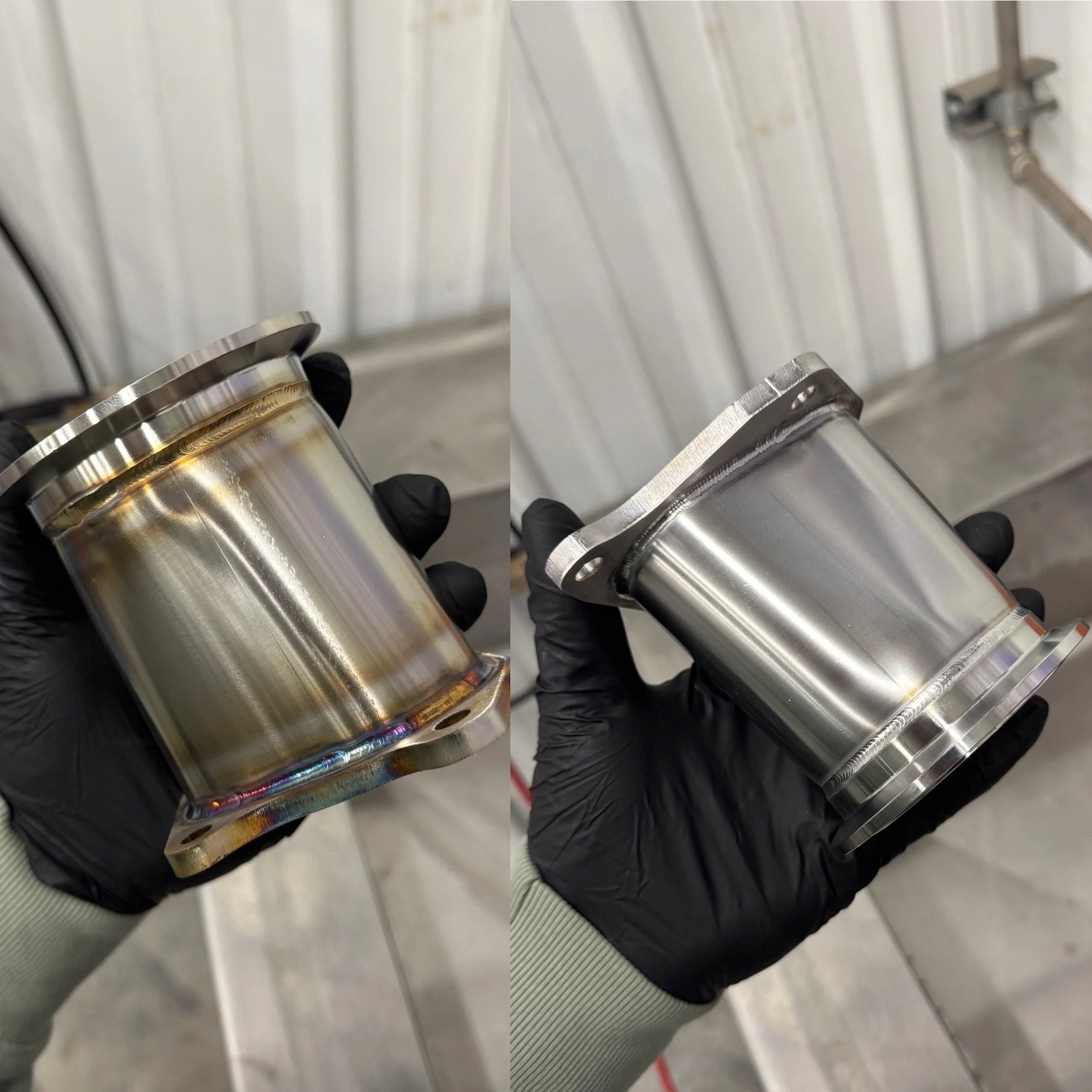
What is passivation?
Passivation is a chemical process that enhances the natural corrosion resistance of stainless steel. After welding or fabrication, the steel can develop tiny impurities or surface contaminants. Passivation removes these by applying a mild acid solution, leaving behind a clean, passive layer. This ensures the metal stays bright, strong, and protected in even the harshest environments.
Corrosion Resistance: Passivation forms a protective oxide layer, guarding stainless steel from rust and pitting.
Cleanliness: It eliminates free iron contaminants, ensuring a smoother, cleaner surface.
Improved Durability: By enhancing resistance to environmental factors, it extends the lifespan of components.
Non-Disruptive: It doesn't alter the dimensions or appearance of the stainless steel, just its surface chemistry.
Compliance: It meets many industry standards, ensuring suitability for food, medical, and aerospace applications.
Reduced Maintenance: With that protective layer, you don't have to clean or recoat as often, saving time and effort.
Biocompatibility: In medical or dental uses, passivation helps ensure the material is safe for human contact.
Consistent Performance: Passivation levels the playing field, so all parts share the same corrosion resistance.
Eco-Friendly: Often, the process uses mild acids and less harsh chemicals compared to other treatments.